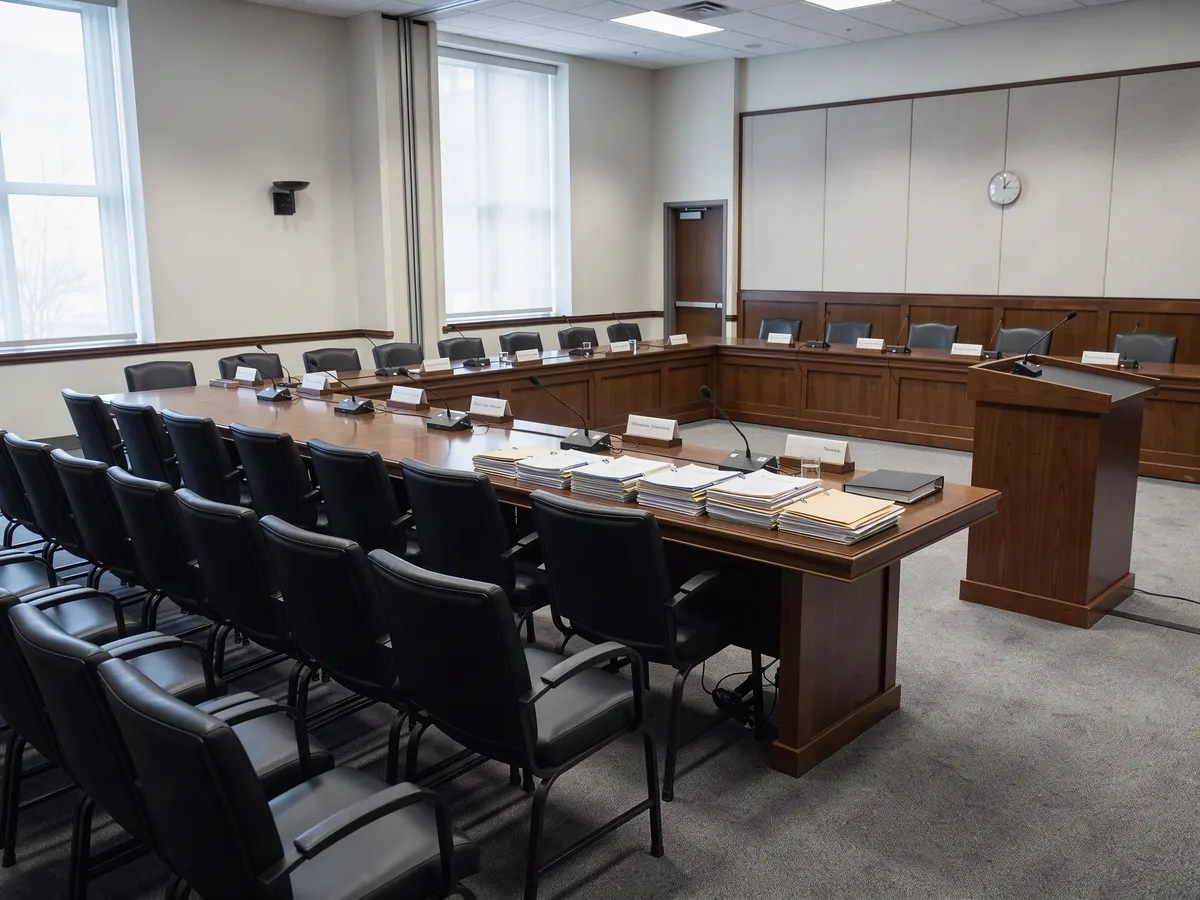
The vote that renewed Live! Casino Pittsburgh’s license
The Pennsylvania Gaming Control Board voted unanimously to renew the Category 4 casino license held by Stadium Casino Westmoreland RE, LLC, operator of Live! Casino Pittsburgh in Westmoreland County, for a further five years, according to G3 Newswire. The Board found the operator had fulfilled the obligations under its previously approved casino operator’s license and so qualified for renewal.
Before that vote came a public input hearing in June 2025. Casino personnel submitted exhibits and gave testimony on how the facility had operated since its last renewal. Members of the public were permitted to testify as well. The report does not say what the public said, and it does not list any conditions attached to the renewal, so neither will this article.
For context, the same report notes the venue has generated $647m in gross revenue since it opened in November 2020. That number says something about scale. It says nothing about compliance, and regulators do not renew licenses because a property is busy.
What a casino license renewal is
A casino license renewal is a periodic re-approval in which a regulator confirms an operator still meets the legal, financial and operational standards attached to its license. It is not the original grant. The initial license asks whether an applicant is fit to open; a renewal asks whether it has actually behaved like a licensee since, and whether it should keep trading.
That distinction carries the whole argument. A one-time approval is a credential. A renewal is a recurring audit with the business attached to the outcome.
How the casino licensing process generally works
Across regulated markets the lifecycle follows four broad stages: application and vetting, ongoing compliance monitoring, periodic renewal review, and enforcement where something is found wanting. The detail varies enormously by jurisdiction, but the shape rarely does.
The application stage is the heaviest. Regulators run background checks on owners, directors and anyone with meaningful control, trace the source of investment funds, and examine the business plan, the gaming systems and the control procedures. Fitness and probity testing can extend to people who never appear on the casino floor.
Once trading begins, oversight does not stop. Operators file regular reports, submit to inspection, and notify the regulator of material changes such as a new owner, a new game supplier or a significant system failure. Breaches accumulate on a compliance record that will be read back to the operator years later.
What regulators typically check at renewal time
Renewal review looks backwards over the license term rather than forwards at a promise. The areas examined are consistent even where the rules are not.
| Area reviewed | What the regulator is looking for | What it protects |
|---|---|---|
| Financial stability | Audited accounts, solvency, ability to cover player balances and tax obligations | Players being paid when they cash out |
| Anti-money-laundering controls | Customer due diligence, transaction monitoring, suspicious activity reporting | The market from criminal money moving through it |
| Responsible gambling measures | Deposit and loss limits, self-exclusion, staff intervention, advertising conduct | Players at risk of harm |
| Security and game integrity | Surveillance, RNG and game certification, system access controls | Fair outcomes and honest payouts |
| Compliance history | Past breaches, fines, remediation actually completed | Repeat problems being treated as repeat problems |
A renewal can arrive clean, as Live! Casino Pittsburgh’s did per the report, or with conditions: remediation deadlines, reporting obligations, restrictions on specific activities. Conditions are the regulator’s middle setting, used when a problem is real but fixable.
Why renewals matter more than the license itself
Renewals matter because they make approval conditional on continuing behaviour rather than on a single successful application. A regulated casino has to re-earn its license on a cycle, in front of a body with the power to take it away, sometimes with the public invited to speak on the record. Pennsylvania’s process, per the report, allowed both the operator and the public to submit information relevant to the decision.
That is the structural difference between a licensed operator and an offshore site with a logo in the footer and no verifiable regulator behind it. The licensed operator has a counterparty that outranks it. The unlicensed one answers to nobody a player can petition.
Worth being honest about the limits: a five-year cycle is a long gap between formal reviews, and ongoing monitoring between renewals is only as good as the regulator doing it. Licensing compliance reduces risk. It does not abolish it, and no serious regulator claims otherwise.
What happens when a license is denied, suspended or revoked
An operator that loses its license loses its right to offer gambling, which in practice means closure of the licensed activity. Suspension halts operations for a defined period or until specified failures are fixed. Revocation ends the license outright. Denial at renewal has the same practical effect as revocation: the permission simply stops.
Financial penalties usually sit alongside these outcomes, and in many jurisdictions individual executives can be found unsuitable and barred from holding a role in the industry. Remediation costs, lost trading days and the public record of the finding tend to hurt longer than the fine.
This is the deterrent that makes the rest of the system work. Compliance departments are expensive, and nobody funds them out of enthusiasm. They are funded because the alternative is a regulator with the power to switch the business off.
How to check a casino’s license yourself
Check the regulator’s own public register, not the casino’s website. Licensed operators name their regulator and license number in the site footer; the number is the useful part, because you can take it to the regulator’s register and confirm the license is current, held by the company named, and not suspended. Pennsylvania publishes licensee information through the Pennsylvania Gaming Control Board, and most established regulators maintain an equivalent searchable list.
- Find the regulator and license number in the site footer or terms and conditions.
- Open the regulator’s website directly rather than following a link from the casino.
- Search the register for the license number or the operating company’s legal name.
- Confirm the status reads as active, and that the company matches the one named in the terms you agreed to.
- If the register shows nothing, or the regulator does not publish one at all, treat the claim as unverified.
The cost of skipping that check only appears when something goes wrong. A disputed payout, a frozen account or a closed-down site leaves a player on a licensed operator with a complaints route and a regulator who logs it. On an unlicensed one it leaves them with an email address and no leverage. That asymmetry is invisible right up until the moment it is the only thing that matters.
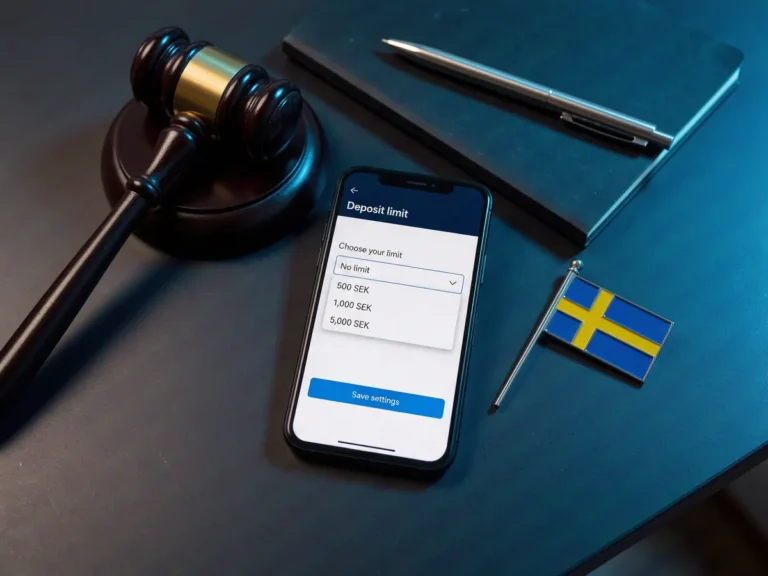
None of this changes the arithmetic of the games themselves. Every casino game carries a house edge, licensed or not, and regulation governs whether the stated odds are honest and the payouts real, not whether you win. If gambling stops being entertainment and starts being a way to chase money back, use the deposit, loss and session limits your operator is required to offer, or its self-exclusion tools, and contact a national support service in your country.
One last caveat on the Pittsburgh case. A renewal is evidence about a license term that has already ended. It tells you an operator met its obligations up to the point of review, which is useful, and it tells you nothing about the five years that start the day after the vote.
About The Author





2 thoughts on “What Casino License Renewals Really Mean for Players”