SiGMA World 2026 is the Rome edition of the SiGMA conference circuit, running 2 to 5 November, and Nordic Network Ltd confirmed on 15 October that it will be there with five members of its senior leadership team at stand H3-3005. That is the whole of the news. The interesting part is that an exhibitor announcement like this is simultaneously a press release with nothing in it and one of the few public documents that tells you where a private company is putting its people.
Both things are true. Learning to read the second without being sold the first is a small, repeatable skill, and it is worth more than any single iGaming conference headline you will read this autumn.
Start with the roster, because the roster is the only hard data
Who a company sends is the most load-bearing fact in any attendance notice. Headcount and job titles are specific, verifiable on the floor, and expensive to fake. Nordic Network’s five are co-founder and Group CEO Håvard Lehn, Fabian Broich as Director of Nordic Partners Gaming, Anders Abrahamsen as Head of External Partnerships, Anders Loe as Affiliate Manager and Victoria Kalemis as Head of Finance.
| Attendee | Role | What the seat implies |
|---|---|---|
| Håvard Lehn | Co-founder, Group CEO | Deals can be agreed in the room, not escalated afterwards |
| Fabian Broich | Director, Nordic Partners Gaming | A named vertical with its own leadership to sell |
| Anders Abrahamsen | Head of External Partnerships | Inbound pitching from operators and creators is expected |
| Anders Loe | Affiliate Manager | Existing accounts get serviced, not just prospected |
| Victoria Kalemis | Head of Finance | Commercial terms and payment mechanics on the stand |
Four of those five are the obvious ones. The finance seat is not. Sending a Head of Finance to a trade show is a choice about what kind of conversation you intend to have, and in affiliate marketing the sticking points are rarely the pitch. They are revenue share versus CPA, attribution windows, negative carryover, how fast an operator actually pays. Those are finance questions, and having someone who can answer them on the stand is a mildly aggressive posture dressed up as a staff list.
Then find the vertical the company is actually funding
Nordic Network is at SiGMA World to talk about two things: its affiliate business, and Nordic Partners Gaming, which it describes as connecting licensed iGaming companies with esports organisations and gaming creators. NPG acquired a Counter-Strike 2 team earlier this year, when the roster was ranked #123 in the world, with a stated ambition of reaching the top 50. HLTV currently lists the team at around #110.
Read those numbers carefully, because they are doing unusual work. Most companies announcing an esports investment pick a flattering framing. Publishing a world ranking of #123 at acquisition and a target of 50 is a measurable, dated, publicly checkable claim, which means someone can hold them to it. It also tells you the price bracket. A team outside the top 100 in CS2 is not a trophy asset; it is an owned inventory channel with a roster, a content output and an audience, bought at a level where the maths can plausibly work as marketing spend rather than as a sports franchise.
Whether it does work is not knowable from here. The ranking is a fact, and it has moved a little since the purchase. The top-50 target is an intention. The commercial return on owning a mid-tier CS2 roster as a route to iGaming audiences is, as far as any public evidence goes, unsettled.
Treat the stand number as geography, not budget
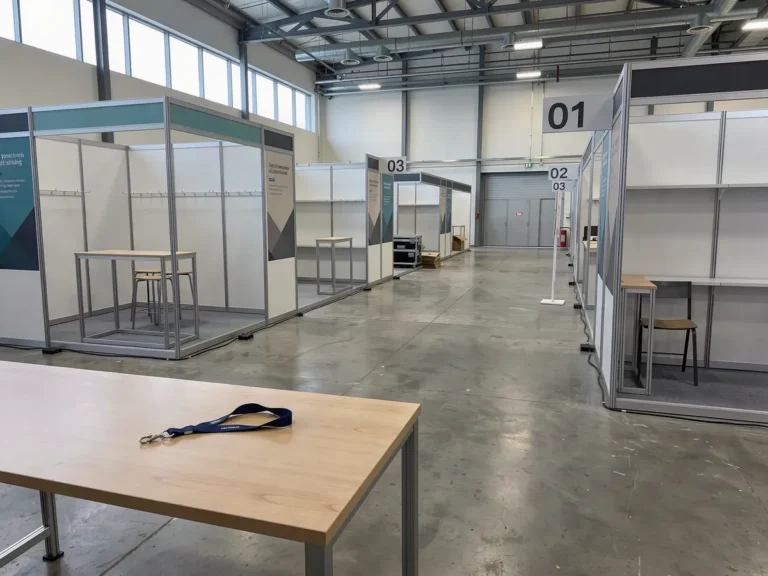
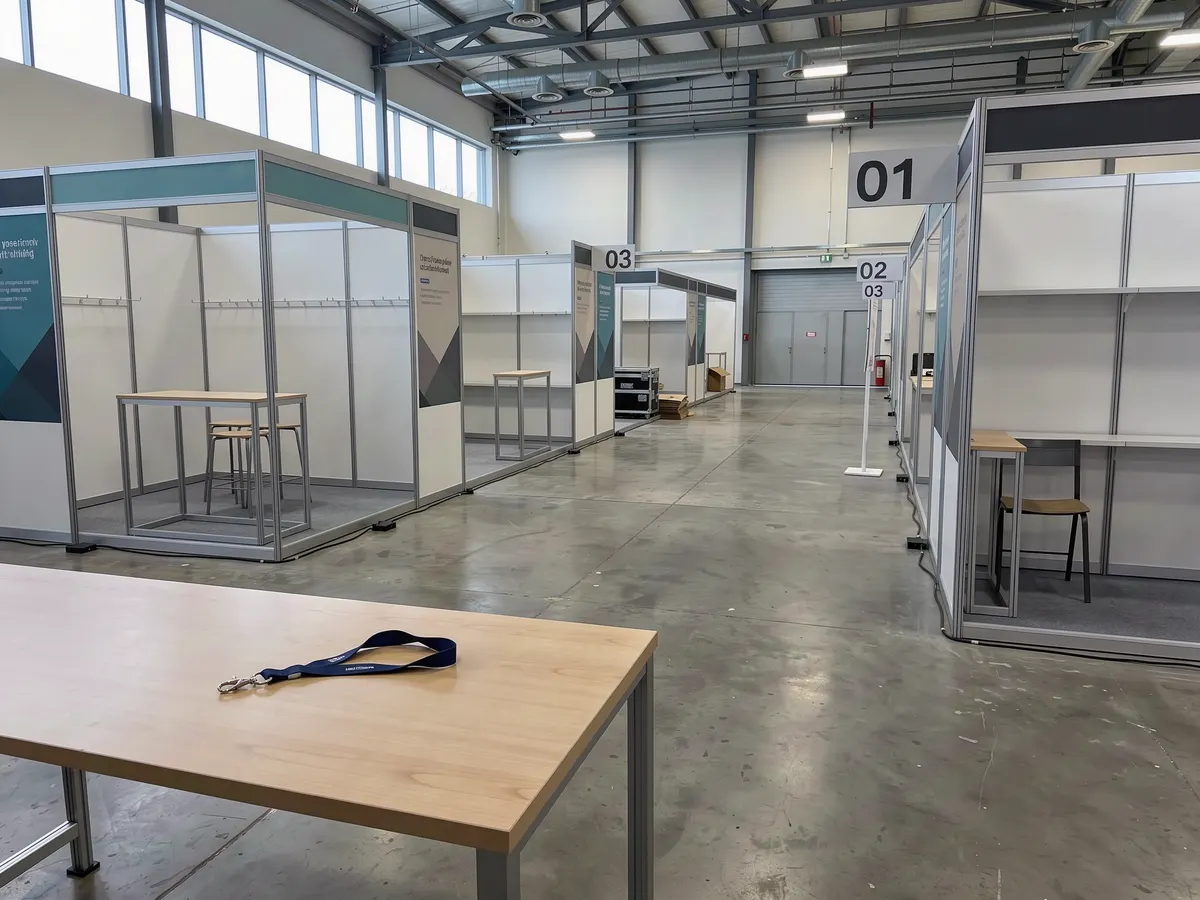
H3-3005 tells you the hall and the position. It does not tell you the size of the stand, what it cost, or how it compares with the company’s spend last year. That is the step where most conference analysis quietly invents something, and it is worth refusing to.
Exhibition floorplans price space by hall, footprint, frontage and whether you are on a main artery or behind a staircase, and none of that is published in an attendance notice. If someone tells you a stand location proves a company is scaling, ask them for the rate card. There isn’t one in the public record here, so the honest answer is that H3-3005 is a meeting point and nothing more until you stand in front of it.
Separate what the release states from what it suggests
Lehn’s quoted framing is that SiGMA World is “one of the most important weeks in the calendar for us”, that it is where you sit down face to face with people you already work with and meet the ones you would like to, and that the group has launched Nordic Partners Gaming, invested in a CS2 team and built new partnerships over the year.
Strip out the adjectives and you are left with a date, a stand, five names, a new business unit and one asset purchase with a public ranking. That is a reasonable amount of substance for a two-minute newswire item. What it is not is evidence about revenue, traffic volume, operator count or market share, none of which Nordic Network has published alongside this, and none of which you should assume from the fact that a CEO sounds cheerful.
Where the usual reading stops working
The standard take on iGaming industry events is that exhibitor rosters and floor size are a growth indicator: more stands, bigger stands, therefore an expanding sector. The logic is tempting and it breaks in a specific place.
Trade show presence is a marketing decision taken months in advance, usually against last year’s budget. It lags the business it is meant to reflect, and it correlates with how relationship-dependent a company’s sales process is rather than how big that company is. Affiliate networks sit at the far end of that scale. Their deals are negotiated person to person, renegotiated constantly, and depend on trust about traffic quality and payment behaviour that no dashboard conveys. A five-person leadership delegation from an affiliate group is normal business hygiene. From a games studio with a sales team of thirty, it would mean something different. Comparing the two as if the headcount were a common unit is where the inference quietly collapses.
So the useful reading of Rome is narrower than the growth narrative and more concrete. Affiliate groups are extending sideways into esports and creator audiences, they are bringing finance people to negotiate the terms of that, and at least one of them has put a checkable number on the result it wants. That is a real shift in how iGaming affiliate networks are packaging themselves. It is not proof of where the market goes next.
What is actually testable after 5 November
Three things. Whether NPG announces named operator partnerships with esports organisations or creators, rather than intentions to pursue them. Whether that CS2 ranking keeps moving toward the top 50, since the company volunteered the metric. And whether the finance seat on the stand shows up later as published commercial terms, or stays a one-week fixture.
None of those are answered by an attendance notice, which is the point. One honest note alongside all of it: pushing licensed gambling brands into esports and creator channels means marketing adjacent to audiences that skew young, and age-gating and jurisdictional licensing are the part of that model most likely to be tested by regulators before the commercial case is settled. That is the open question Rome will not close.
About The Author