The number itself, and what it actually counts
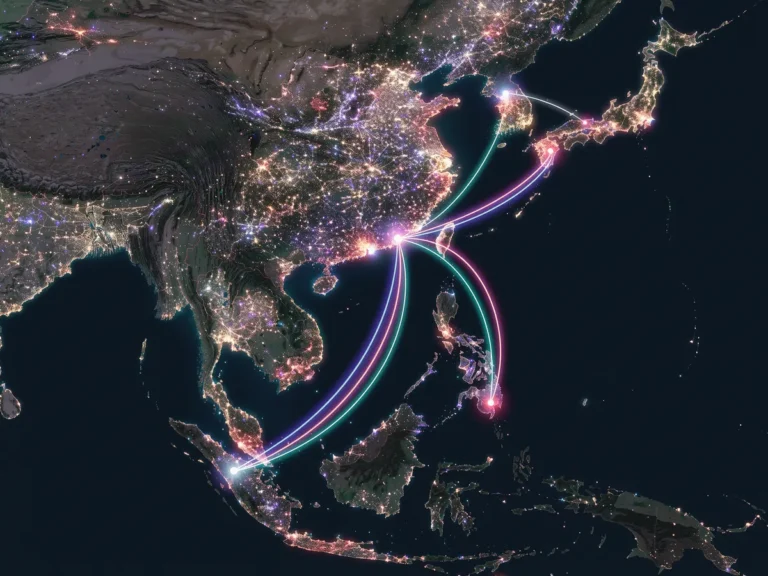
Singapore logged 12.7 million visitor arrivals between January and September, a 1.7% decline year on year, according to figures reported by GGRAsia. That is the whole headline, and it is worth sitting with for a second, because a visitor arrival is a headcount at the border, nothing more.
It does not record how long anyone stayed, what they spent, or whether they walked past a baccarat table. Singapore casino tourism lives downstream of that number, not inside it. So the honest reading of a 1.7% drop is: slightly fewer people came through than in the same nine months last year. Everything beyond that is inference, and some of the inference going around is wrong.
Why arrivals matter to a Singapore integrated resort anyway
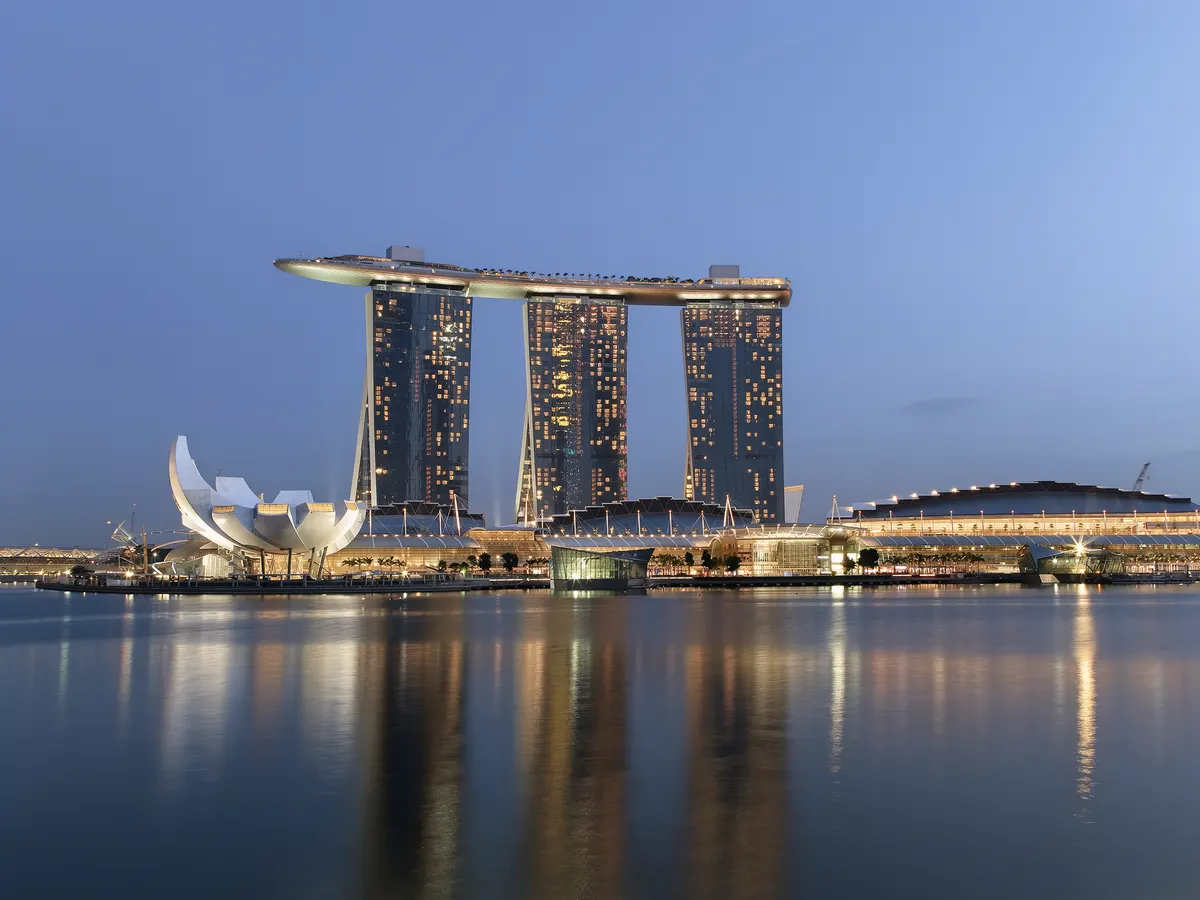
Arrival figures matter because both of Singapore’s casino licences sit inside resorts built for inbound travellers. Marina Bay Sands and Resorts World Sentosa make money from hotel rooms, conventions, retail, attractions and gaming floors, and the first four of those are almost entirely tourist-fed. The gaming floor is the one line that also draws on locals, and Singapore deliberately taxes that: citizens and permanent residents pay an entry levy of S$150 for 24 hours, or S$3,000 for an annual pass, before they can set foot inside. The policy exists to keep the casinos pointed outward.
That is why the national headcount works as a rough proxy for integrated resort footfall. Rough being the operative word. Arrivals and gross gaming revenue move loosely together over long stretches, but they come apart constantly in the short run, because a resort’s revenue depends far more on who arrives than on how many. A single week of high-limit play from a handful of premium-mass guests can outweigh thousands of day-trippers. One of those shows up in a visitor statistic; the other shows up in a quarterly report.
Myth: a falling headcount means thinner gaming floors
Not necessarily, and the release gives you no way to check. The arrivals data carries no breakdown of visitor type, spend, length of stay, or resort-level traffic. Operators report gaming revenue separately, on their own schedules, and the Singapore Tourism Board publishes tourism receipts separately again. Three different measures, three different stories possible.
Here is the clean version of what you can and cannot say from this one release:
| Confirmed by the data | Not in the data |
|---|---|
| 12.7 million arrivals, January to September | Casino floor traffic at either resort |
| A 1.7% year-on-year decline | Gross gaming revenue for the period |
| A nine-month, year-to-date comparison | Spend per visitor or length of stay |
| A national total across all visitors | Source markets driving the change |
A 1.7% move is also small. On 12.7 million, it is a difference of a couple of hundred thousand people across nine months, which is well inside the range that a shifted public holiday, a changed flight schedule or one quiet shoulder season can produce. Treating it as a verdict on Asian casino tourism is reading a thermometer as a diagnosis.
Marina Bay Sands and Resorts World Sentosa, briefly
Both opened in 2010 and remain the only two casino venues licensed in Singapore, which is the single most important fact about them. There is no third competitor, no local price war, and no possibility of one under the current licensing regime.
What pulls visitors to Marina Bay Sands
Marina Bay Sands, operated by Las Vegas Sands, is the three-tower property on the bay with the rooftop SkyPark, the ArtScience Museum and a large convention and exhibition centre attached. Its draw is partly architectural, partly business: conference and exhibition delegates arrive for reasons that have nothing to do with gaming and then wander through the resort anyway. It is the reason the property’s fortunes are tied to the MICE calendar as much as to leisure travel.
What Resorts World Sentosa does differently
Resorts World Sentosa, run by Genting Singapore, sits on Sentosa island and is built around attractions rather than the skyline, with Universal Studios Singapore and the Singapore Oceanarium (formerly S.E.A. Aquarium) alongside its casino and hotels. The practical effect is a different visitor mix: more families, more multi-day stays, more people for whom the casino is incidental. The same arrivals number lands differently on the two properties.
What may be behind the dip, and where the evidence stops
Nobody can attribute this decline from this data, and I would not trust anyone who says otherwise. The release reports a total and a comparison. It assigns no cause.
Plausible contributing factors are easy to list and impossible to weight. Regional competition for the same travellers has broadened: Macau has been rebuilding its visitation, and Japan’s first integrated resort development has been reshaping expectations of where Asia’s next casino-tourism hub sits. Exchange rates and household budgets in key source markets shift travel decisions constantly. Airline capacity on particular routes rises and falls. Any of these could matter. None of them is demonstrated by a single national headcount, and attaching a confident percentage to any one of them would be invention.
This is the point where the standard take on asia gambling tourism stops working. The familiar move is to pair a soft arrivals number with a story about a rival jurisdiction stealing share. Sometimes that is true. You cannot establish it from a 1.7% year-to-date figure with no market-level breakdown, and the gap between “consistent with” and “caused by” is where most bad analysis lives.
What a softer market plausibly means if you are planning a trip
Realistically, very little that you would notice. A 1.7% change spread over nine months does not empty a gaming floor or reprice a hotel. What moves crowds and rates in Singapore is seasonality and the events calendar, and those swamp this figure entirely.
If you are timing a visit, the useful levers are the ordinary ones. Avoid the weeks around major conventions and the Formula 1 night race if you want cheaper rooms and shorter queues. Shoulder periods tend to bring more room promotions and resort credits, which are the deals most likely to appear when occupancy softens. Book earlier for school-holiday windows, when Resorts World Sentosa fills with families regardless of what national statistics say. And if you are travelling on a foreign passport, the entry levy does not apply to you, only to Singapore citizens and permanent residents.
What a softer tourism market does not change is the arithmetic inside the casino. House edge is fixed by the rules of each game and does not loosen when a floor is quiet. A less crowded table means faster play, more hands per hour, and therefore more exposure to that edge, not less. Set a budget before you walk in, treat it as the cost of an evening out rather than a way to fund one, and use the deposit, loss and time limits available to you. If gambling has stopped feeling optional, Singapore’s National Council on Problem Gambling runs a helpline and exclusion programmes.
One data point, nine months, no trend confirmed
The thing to carry forward is the shape of the evidence rather than the number. A year-to-date comparison tells you the direction of travel over nine months; it does not tell you whether the fourth quarter continues it, reverses it, or makes it irrelevant. Singapore travel trends have been measured against unusually strong post-reopening comparisons for a while now, and small declines against a high base read very differently from declines against a weak one.
The question that actually matters for Singapore casino tourism is whether visitor spend held up while headcount slipped, and this release cannot answer it. That answer arrives with tourism receipts and with the operators’ own numbers. Until then, the responsible position is the uncomfortable one: a small dip, cause unknown, significance unresolved.
About The Author